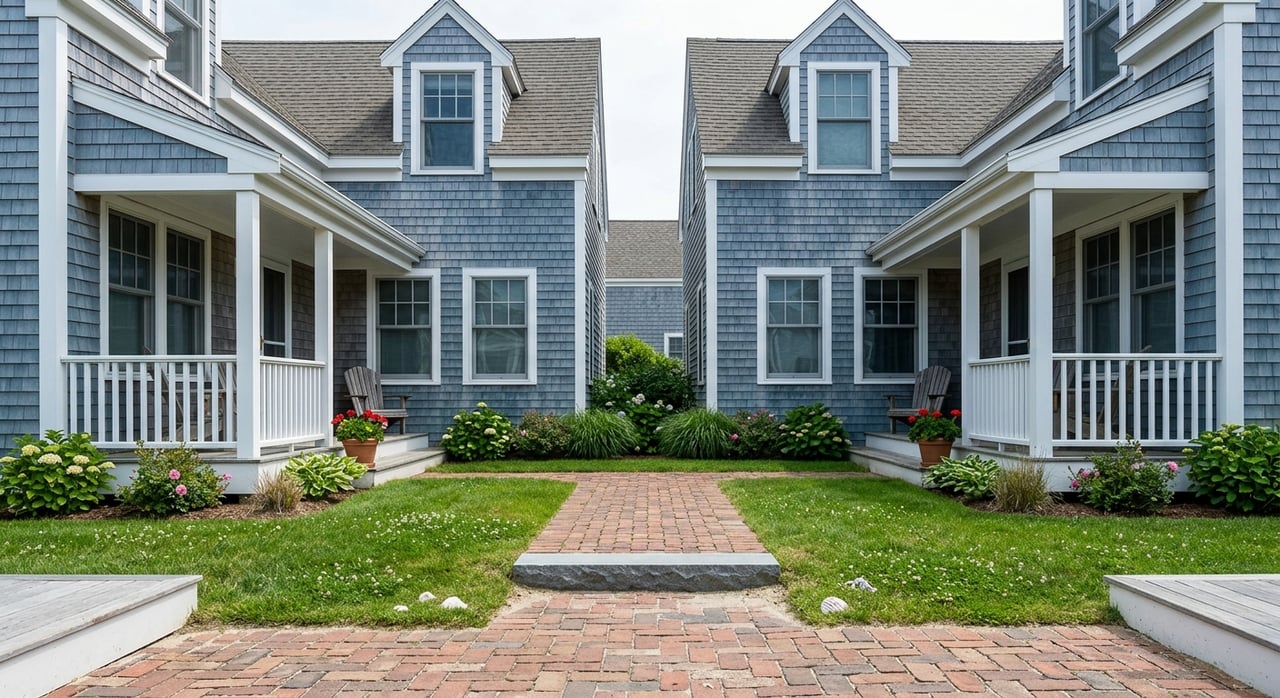
Thinking about buying in Union Pier and not sure whether a cottage, condo, or HOA property is the better fit? You are not alone. In a shoreline market shaped by second-home buyers, walkable beach access, and a mix of ownership structures, the details matter more than the labels. This guide will help you understand how these property types differ in Union Pier, what fees and rules can really mean, and which documents you should review before you commit. Let’s dive in.
Why Union Pier Ownership Can Feel Confusing
Union Pier is an unincorporated settlement in Chikaming Township, and its housing pattern reflects its Lake Michigan setting. According to the township master plan, much of the housing clusters between Lake Michigan and Red Arrow Highway, with beaches walkable from central Union Pier.
It also sits within a market that is influenced by seasonal and second-home demand. The township notes that Union Pier is less than 1.5 hours from downtown Chicago, which helps explain why many buyers are looking for a weekend property, a summer base, or a lower-maintenance getaway.
That mix creates a practical challenge. Two homes may look similar from the street, but one may be a detached cottage on its own parcel while the other may be legally structured as a condominium with shared rules, shared costs, and association oversight.
What a Cottage Usually Means
When buyers talk about a Union Pier cottage, they are often picturing a detached home with a more direct ownership experience. In practical terms, that usually means you are thinking less about association governance and more about the property itself, its location, and your own maintenance plan.
That said, not every detached home is the same from a legal standpoint. In this area, a home that looks like a stand-alone cottage can still be part of a condominium structure or governed by recorded association documents.
The key takeaway is simple: do not assume the word “cottage” tells you everything you need to know. In Union Pier, the ownership documents matter more than the style of the house.
How Condos Work in Michigan
Michigan condominiums are governed by the Condominium Act. Under that framework, common elements can include things like exterior components, lawns, private streets, recreation facilities, shared utility systems, hallways, and lobbies.
For you as a buyer, that matters because part of what you are buying may be shared. The association may handle upkeep for those common elements, hire a management company, and assess owners for repairs and operating costs.
This can be attractive if you want a simpler ownership experience in a seasonal market. But it also means you need to understand what the association maintains, what you maintain, and how the budget supports those obligations.
What a Site Condo Really Is
One of the most important concepts in Union Pier is the site condominium. Michigan recognizes site condos as detached single-family homes that are legally condominiums rather than ordinary subdivisions.
This is where buyers can get tripped up. A property may look and feel like a private house, but it may still come with condo-style rules, shared expenses, and recorded governing documents.
For new or conversion projects, developers are required to provide key materials, including the recorded master deed, purchase and escrow agreements, a disclosure statement, the buyer handbook, and an itemized association budget. Michigan also notes that site condominium documents are not reviewed by the state for conformance with the Act, which makes document review especially important.
What HOA Properties Mean in Practice
In Michigan, homeowners associations are not required by law to incorporate, although many do operate as nonprofit corporations. For you, the practical issue is not the neighborhood label. It is the actual recorded documents and bylaws.
Those documents govern how the property is used and maintained. They may address shared spaces, maintenance obligations, dues, approvals, and occupancy or rental terms.
That is why two properties that both seem to be in “an HOA” can function very differently. The best approach is to read the governing documents rather than rely on shorthand descriptions.
Fees, Dues, and Shared Costs
Association fees are meant to cover common expenses. In a condo or similar shared-maintenance setting, that can include private roads, recreation areas, shared utility systems, exterior items, or other common elements described in the documents.
This is where buyers should pause and ask good questions. A higher monthly fee is not automatically bad, and a lower fee is not automatically better. What matters is what the fee covers, whether the association is funding its obligations well, and whether future repair costs may lead to extra assessments.
In Michigan condo communities, some limited common-element costs can be specially assessed to the unit or units that benefit from them. That means costs are not always spread evenly across every owner.
It is also important to know that monthly fees and assessments remain due even if you do not use the common elements or if the unit sits vacant. Under Michigan law, those fees and assessments are also a lien on the unit.
Why Reserves Matter More Than You Think
Reserve funds are one of the clearest signs of how an association plans ahead. Michigan guidance says condo associations must keep books and records, provide annual financial statements, and maintain a reserve fund for major repairs and replacement of common elements.
Current LARA guidance states that Rule 511 sets a minimum reserve of 10% of the association’s current annual budget on a noncumulative basis. The same guidance says associations with more than $20,000 in revenue must have an annual audit or review unless the owners opt out.
For you, this helps answer an important question: is the association budgeting for long-term upkeep, or are owners more likely to face surprise costs later? In a shoreline setting where weather, exterior wear, and infrastructure can be meaningful issues, reserves deserve careful attention.
Rental Plans Need Extra Review
If you are hoping to offset costs with short-term rentals, do not make assumptions. Rental flexibility depends on both the property’s governing documents and local township rules.
Michigan’s condo framework allows associations to amend condominium documents on rental or occupancy terms. That means the rules you see today may not stay fixed forever.
Chikaming Township currently says its short-term-rental cap has been reached, and no new applications are being accepted until the 2027 permit cycle. For a Union Pier buyer, that makes early due diligence especially important if rental income is part of your plan.
How to Choose the Right Fit
The right ownership structure often comes down to how you want to use the property. If you want more simplicity and shared upkeep, a condo or site condo may feel appealing because the association handles common elements.
If you want more direct control, a detached cottage may be the better fit. In general, that often means a more hands-on ownership experience, though that is a practical inference rather than a universal rule for every property.
A good way to frame the decision is to ask yourself:
- Do you want less day-to-day maintenance responsibility?
- Are you comfortable paying dues for shared upkeep?
- How important is rental flexibility?
- Do you prefer more direct control over the property?
- Are you prepared for the possibility of special assessments?
In Union Pier, these questions matter because buyers are often balancing lifestyle, convenience, and long-term carrying costs at the same time.
Your Document Review Checklist
Before you remove contingencies, make sure you review the right documents. Michigan guidance points buyers toward a core set of materials that can help you understand what you are really buying.
Your checklist should include:
- Recorded master deed or covenants
- All amendments
- Bylaws
- Condominium subdivision plan, if applicable
- Disclosure statement
- Itemized budget
- Annual financial statements
- Reserve-fund information
This review is not just a box to check. LARA says condo disputes are not enforced by the agency, and only a court can order compliance. That is one reason it makes sense to review the governing documents with your agent and a Michigan real estate attorney before contingencies are removed.
Why Local Guidance Helps in Union Pier
Union Pier’s appeal is easy to understand. You get a shoreline setting, walkable beach access from central areas, and a location that works well for many Chicago-area second-home buyers.
But the ownership side can be nuanced. A detached-looking home may be a site condo. A lower monthly fee may hide future costs. A rental plan may run into both association limits and township caps.
That is why a process-driven review matters. When you understand the structure, documents, and likely trade-offs before you buy, you can choose a property that fits your lifestyle with fewer surprises later.
If you are comparing cottages, condos, or HOA properties in Union Pier and want clear, local guidance, Rob Gow & Chris Pfauser can help you evaluate the ownership structure, review the practical trade-offs, and move forward with confidence.
FAQs
What is the difference between a cottage and a condo in Union Pier?
- A cottage usually refers to a detached home with a more direct ownership experience, while a condo involves shared common elements, association governance, and dues. In Union Pier, a detached-looking property can still be legally structured as a condominium.
What is a site condominium in Michigan real estate?
- A site condominium is a detached single-family home that is legally a condominium under Michigan law. It may look like a traditional house, but it can still have condo documents, shared maintenance obligations, and association rules.
What do Union Pier condo fees usually cover?
- Condo fees are designed to cover common expenses, which may include private roads, recreation facilities, shared utility systems, lawns, exterior components, or other common elements listed in the governing documents.
Why do reserve funds matter when buying a condo in Union Pier?
- Reserve funds help pay for major repairs and replacement of common elements. They can give you a better sense of whether an association is planning responsibly for future upkeep and reducing the chance of unexpected costs.
Can you use a Union Pier condo as a short-term rental?
- That depends on both the association documents and Chikaming Township rules. Condo documents can limit rentals, and the township currently says its short-term-rental cap has been reached until the 2027 permit cycle.
What documents should you review before buying an HOA or condo property in Union Pier?
- You should review the master deed or covenants, amendments, bylaws, condominium subdivision plan if applicable, disclosure statement, itemized budget, annual financial statements, and reserve-fund information.