Craving a breezy Lake Michigan escape you can reach after work on Friday? If you live in Chicago, Saugatuck and Douglas offer a close, relaxed alternative with beaches, galleries, and easy small-town living. You want a place that feels simple on arrival and special all weekend. In this guide, you will learn how long the trip takes, where the energy is, what homes and micro-areas suit different lifestyles, and the key logistics that matter for a second home. Let’s dive in.
Why Saugatuck/Douglas works
Saugatuck and Douglas sit on the eastern shore of Lake Michigan in Allegan County. The towns are neighbors across the Kalamazoo River, which means you get two compact downtowns and twice the dining, galleries, and shoreline paths within a small radius. The year-round population is modest, but summer brings a lively, seasonal buzz.
Easy access from Chicago
You can usually drive from downtown Chicago to Saugatuck in about 2.5 to 3 hours under normal traffic. Most people take the I‑94 and I‑196 corridor, then exit toward local roads that bring you to town. Travel stretches during peak summer weekends, holidays, and winter storms, so plan your timing. If you need to fly in family or friends, Gerald R. Ford International Airport in Grand Rapids is about 35 to 50 minutes by car, and Kalamazoo/Battle Creek is roughly 60 to 90 minutes. Regional rail is limited for last-mile connections, so most weekenders rely on driving.
Park once, then walk everywhere
Once you arrive, you can park and explore on foot. Butler Street in Saugatuck and the main streets around the Douglas village green are compact and walkable. Parking is generally available, though warm summer weekends fill up fast near the beach and downtown. If you expect frequent visits, think ahead about parking and quick loading and unloading for gear.
What weekends feel like
Summer energy
Warm-weather weekends feel like a beach town. You can spend the day at Oval Beach, take the dune stairs for a workout and a view, then browse galleries before dinner. Dining ranges from casual patios to seasonal kitchens that lean into fresh produce and Lake Michigan seafood. Evenings tend to be relaxed, with live music, art openings, and community events rather than late-night clubs.
Shoulder season and winter
Spring and fall bring quieter sidewalks, art-focused weekends, and small festivals. Winter is calm and picturesque, but plan for snow and ice. Local businesses operate on seasonal schedules, so check hours before you go. The upside is a cozy, low-key retreat with easy parking and no crowds.
Outdoor recreation highlights
Beaches and dunes
Oval Beach is the headline spot, known for wide sand and sunsets. Beyond that, you will find dune-backed shoreline, bluff overlooks, and public beach access points in the area. Saugatuck Dunes State Park adds miles of trails and more secluded stretches of shoreline. Expect dune stairs in many places and plan your footwear.
On the water
The Kalamazoo River connects the towns to the harbor, which gives you boating options with calmer water than the open lake. Marinas and transient slips are available, but season-long slip availability can be limited. If boating is part of your plan, verify seasonal costs and waiting lists early. Kayaking, paddleboarding, fishing, and sailing are popular. Lake conditions change quickly, so choose your days with care.
Trails and views
Local parks and short hikes are ideal for quick resets. Mount Baldhead Park is a favorite stair climb with rewarding views. Mosquitoes and ticks can be present in wetlands and wooded areas in summer, so pack accordingly.
Micro-areas and home styles
Choosing the right pocket is the difference between a relaxed weekend and a great one. Here is how the main areas differ.
Downtown Saugatuck
- Character: Highest walkability with the Butler Street corridor, close to shops, galleries, restaurants, and the river.
- Homes: Historic cottages, renovated village homes, a few condos and small multi-unit buildings, plus some riverfront properties.
- Tradeoffs: You get immediate access to amenities and events, with less privacy, more foot traffic in summer, and tighter parking.
Douglas village
- Character: A smaller, quieter village center with an arts-oriented feel and the village green.
- Homes: Historic homes, bungalows, and small-lot properties near downtown Douglas.
- Tradeoffs: Quieter evenings and a relaxed pace, with fewer late-night dining options.
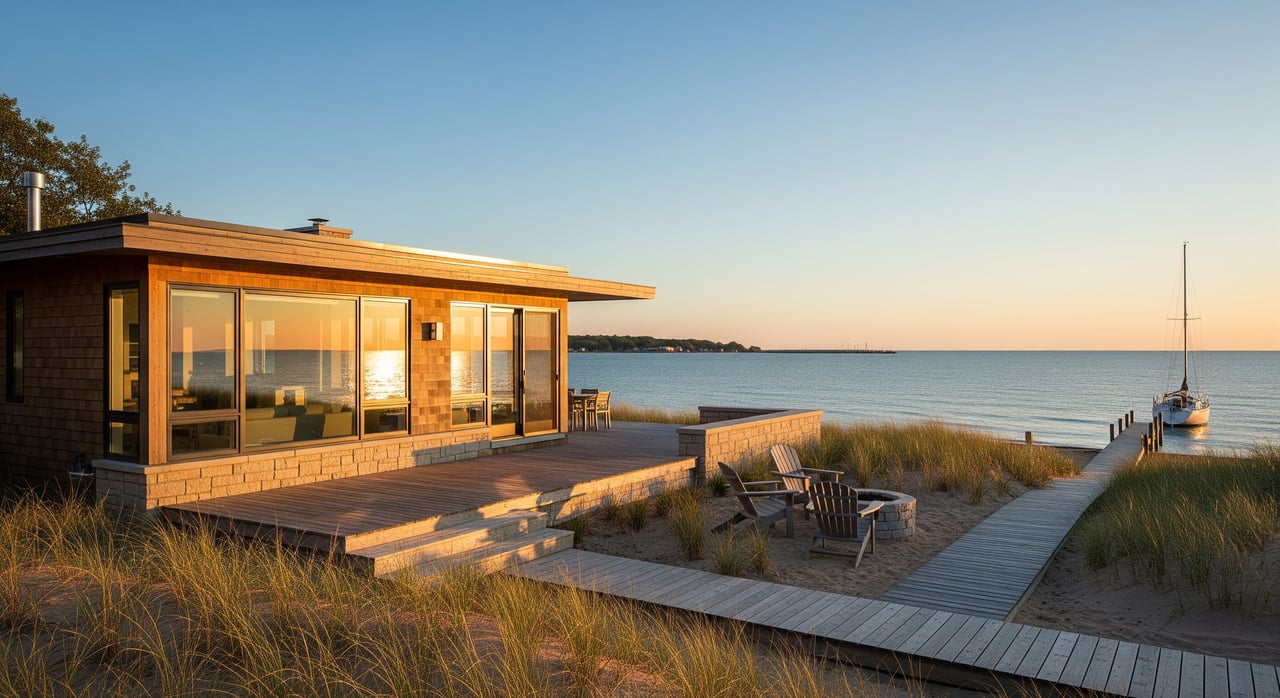
Lakefront near Oval Beach
- Character: Premium lake frontage, dune landscapes, and direct beach access.
- Homes: Mid-century cottages, newer construction, and higher-priced lakefront homes. Dune stairs are common.
- Tradeoffs: Stunning views and access with higher price per foot and more exposure to wind and waves. Consider flood and storm risks.
Mount Baldhead and dune-top
- Character: Elevated settings with scenic views and steps to the beach.
- Homes: A mix of older and newer single-family homes.
- Tradeoffs: Views and character with hillside or stair access to manage.
Riverfront along the Kalamazoo River
- Character: Calmer water, boating access, and proximity to marinas with some protection from open-lake surge.
- Homes: River cottages and homes with private docks where allowed.
- Tradeoffs: Active water lifestyle and gentler conditions, with boating rules and slip logistics to plan.
Outlying townships and rural parcels
- Character: Privacy and open space in Saugatuck Township or near Fennville, with orchards and wineries nearby.
- Homes: Larger parcels, new builds, and creative conversions such as barn homes.
- Tradeoffs: More land and seclusion, longer drives to town, and variable broadband and services.
Market, financing, and ownership basics
Inventory for lakefront, riverfront, and walkable downtown homes is limited compared to demand. Listings often rise in spring and early summer. You will see competition for the most desirable spots, especially in peak season.
Many homes are older cottages or historic properties that have been updated. It is common to budget for upgrades such as insulation, HVAC, plumbing, or electrical improvements. Condos and townhomes are less common on prime lakefront but exist in nearby developments.
For financing, most Chicago buyers use second-home mortgage products. Down payments, interest rates, and reserve requirements can differ from primary-residence loans. Property taxes are based on Allegan County assessments. Seasonal homes still pay full taxes, so review assessment history and current rates with county offices as part of your diligence.
Insurance, utilities, and seasonal care
Coastal ownership means extra planning. Some lakefront parcels fall within FEMA Special Flood Hazard Areas, where flood insurance may be required by lenders. Even if not required, it is smart to understand flood exposure, wind coverage, and vacancy terms for a seasonal property. Ask for quotes early and confirm any winter-related protections for frozen pipes and unoccupied periods.
Utility setups vary by location. Downtown neighborhoods may be on municipal water and sewer. Rural and some outlying properties use well and septic systems, so you should verify system age and maintenance records. Broadband and cell coverage can vary by parcel. If remote work or streaming is important, confirm service levels at the specific address before you write an offer.
Many weekend owners outsource care. Seasonal homes typically need winterization, spring startup, landscaping, dock and boat care, pest control, and routine HVAC servicing. Local property managers can offer turn-key support and are commonly used by Chicago-based owners who are not nearby year-round.
Short-term rental rules
If you plan to offset costs by renting your home when you are not using it, learn the rules before you buy. Many lake communities regulate short-term rentals through licensing, occupancy limits, safety inspections, and local ordinances. Check requirements for the City of Saugatuck, the City of Douglas, Saugatuck Township, and any HOA. Confirm how local transient occupancy taxes are handled, and be sure your parking, trash, and neighborhood operations are compatible with the rules.
Weekend logistics you will care about
- Parking strategy: Arrive early on peak weekends, and plan how you will load and unload gear. Street parking near downtown and beaches can fill up fast.
- Groceries and gear: Build a checklist for quick turnarounds and think about storage. Owners often use local service providers for linens, cleaning, and supplies.
- Remote work setup: Choose homes with reliable broadband and a quiet workspace if you plan to extend Sunday nights or arrive early on Fridays.
- Boating: If a slip is important, call marinas to understand waiting lists, seasonal rates, and harbor rules before you commit to a property.
Due diligence checklist
- Visit in multiple seasons to see traffic, crowds, and weather.
- Verify flood zone status and get insurance quotes early.
- Confirm well and septic condition, or check municipal service connections.
- Test broadband and cell coverage at the exact address.
- Review local short-term rental rules and permit requirements.
- Ask about marina slip availability and costs if boating matters.
- Request utility statements, property taxes, any HOA fees, and a vendor list for local contractors and property managers.
Common risks and how to plan
- Weather and access: Winter storms and summer traffic can disrupt travel. Build a flexible departure plan and line up snow and access services.
- Structure and exposure: Coastal homes face wind and moisture. A thorough inspection should include roofing, foundations and basements, exterior siding, and mechanicals.
- Seasonal wear: Older cottages often need upgrades for insulation, HVAC, and electrical safety. Budget for improvements along with furnishings.
- Regulatory shifts: Rental rules and enforcement can change. Talk with municipal staff, a local real estate attorney, and your agent before you commit to a rental strategy.
Is Saugatuck/Douglas right for you
If you want a beach town within a half-day round trip from Chicago, with art, dining, and a walkable core, Saugatuck and Douglas are easy to love. The key is fit. Choose a micro-area that matches how you spend your weekends, and plan for the coastal details such as insurance, utilities, and seasonal care. You will get more out of every stay when the practical pieces are dialed in.
If you want a consultative, lifestyle-first buying experience, we are here to help. We combine local market intelligence, process-driven guidance, and discreet service that fits your schedule. Start the conversation with Rob Gow & Chris Pfauser to map weekend living to the right street, the right home, and the right plan.
FAQs
How long is the Chicago to Saugatuck drive on a Friday
- Plan for about 2.5 to 3 hours in normal conditions, with extra time on peak summer weekends or during winter weather.
Is Saugatuck and Douglas walkable for weekend stays
- Yes, both downtowns are compact and pedestrian friendly, so you can park once and walk to dining, galleries, and the river, especially around Butler Street and the Douglas village center.
What home types are common for second homes
- You will see historic cottages and renovated village homes near downtown, lakefront and dune-top houses by the beach, river cottages with dock access, and larger rural parcels in nearby townships.
Can I rent my home short term when I am not using it
- Possibly, but rules vary by city, township, and HOA; many areas require licensing, occupancy limits, and safety checks, so confirm requirements before you buy.
Do I need flood insurance for a lakefront or riverfront home
- Some parcels fall within FEMA Special Flood Hazard Areas where lenders may require flood insurance; even outside mapped zones, it is smart to review risk and get quotes.
Are seasonal boat slips easy to get on the Kalamazoo River
- Marinas and transient slips exist, but seasonal slip availability can be limited; call early to understand waiting lists, seasonal costs, and harbor rules.