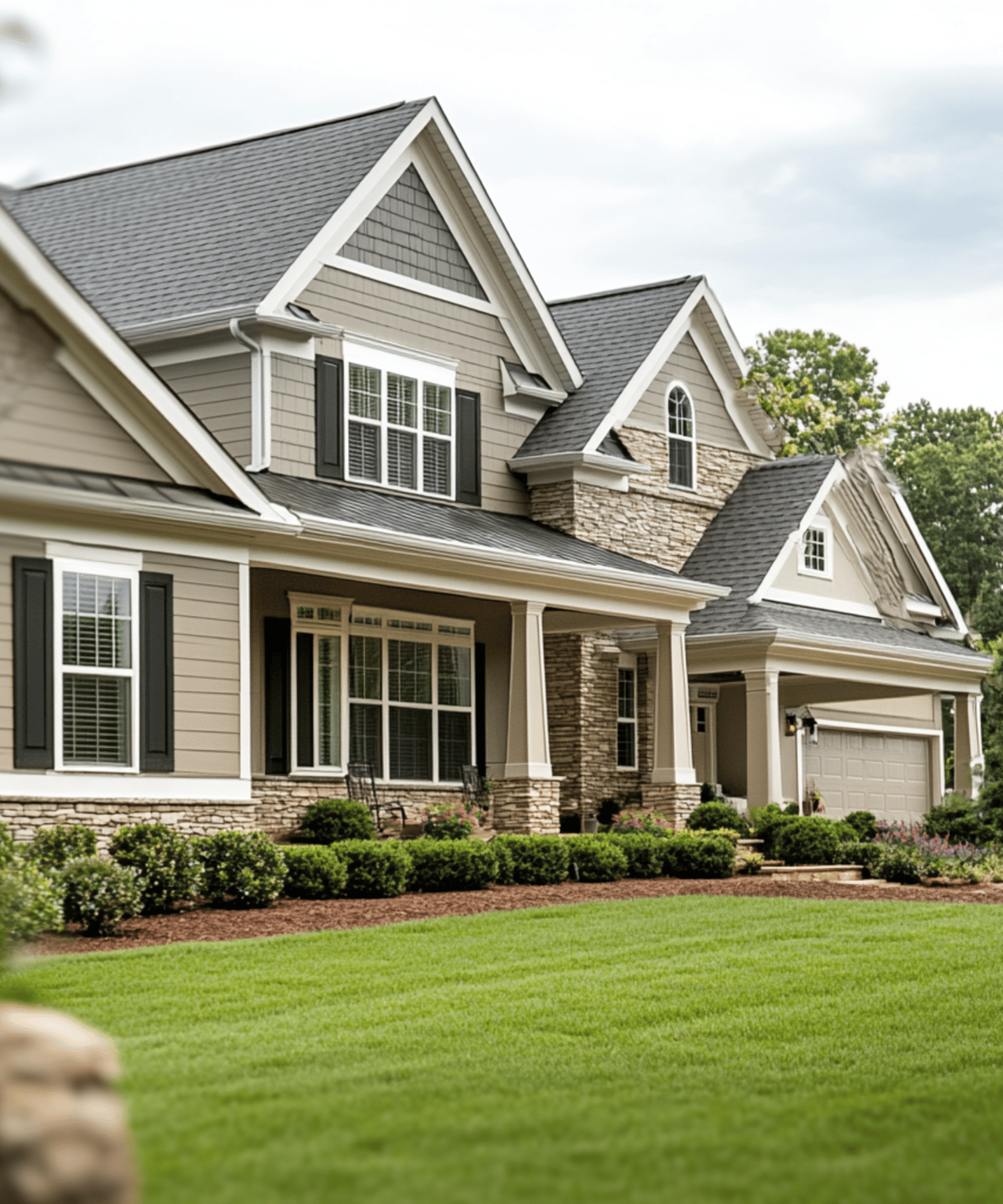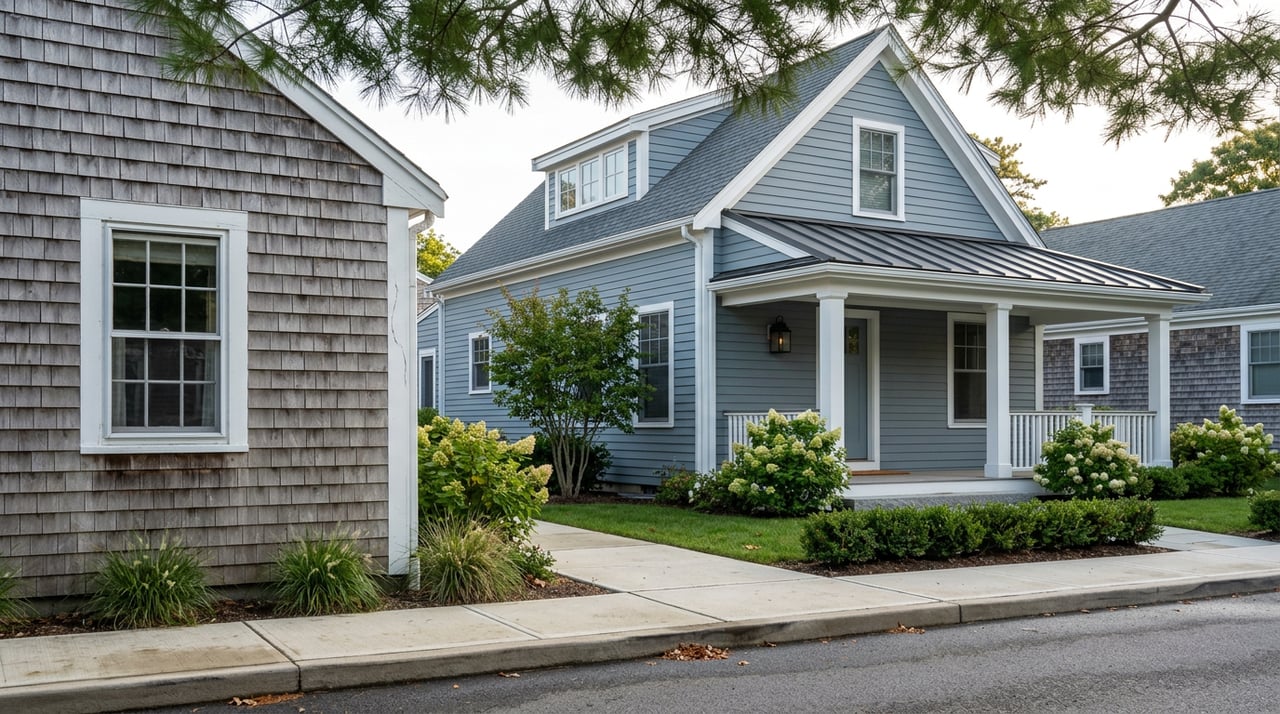
If you love the charm of Union Pier but feel torn between a shiny new build and a character-rich vintage cottage, you are not alone. The choice here is not just about style. It is about local zoning, shoreline protections, rental rules, septic systems, and long-term costs. In this guide, you will learn how those factors shape your options, what to expect from each path, and how to buy with confidence. Let’s dive in.
How Union Pier shapes your choice
Union Pier sits on the line between Chikaming Township and New Buffalo Township. That split changes rules for zoning, permits, and short-term rentals. Before you fall for a house or a lot, confirm which township you are in and what you can do with the property. Chikaming also created a Union Pier overlay that sets different village-style standards in the core area, so parcel location matters a lot.
Zoning overlay basics
Chikaming’s Union Pier overlay has two districts that can differ from standard residential rules. In the Union Pier Village area, minimum lot width can be 25 feet, minimum lot area 2,500 square feet, and the main building front setback can be 0 feet. In the Union Pier Corridor area, minimum lot width is often 70 feet with a 4,000 square foot minimum lot area, side setbacks near 10 feet, and maximum height around three stories or 40 feet. Always verify the parcel’s overlay and dimensional standards in the township ordinance before planning a build or addition. You can review the detailed standards in the township’s zoning ordinance and map in the Union Pier sections of the document at the Chikaming Township site.
- Read the Chikaming Township zoning ordinance with the Union Pier overlay for parcel-specific rules: Union Pier overlay and dimensional standards
Also note that Chikaming limits impervious paved surfaces in many zones, which affects how much hardscape you can add. The overlay may change or supersede those limits in certain cases, so check the ordinance language for your lot.
Shoreline, dunes, and bluff limits
Lakefront and near-lake parcels can fall inside Critical Dune Areas or mapped high-risk erosion areas. If a property is in those designations, there are limits on where you can place a home, septic system, or do shoreline work. Some projects need state review or special exceptions. Early input from a coastal or civil engineer is smart for any bluff or lake-adjacent plan.
- Check dune and shoreline mapping and guidance at the state site: Michigan EGLE critical dunes maps and resources
Flood mapping and insurance
If a structure is inside a Special Flood Hazard Area, lenders will require flood insurance and certain elevation or construction standards may apply. A quick map check can save time and surprises.
- Pull a property FIRMette and confirm flood zone using the FEMA Map Service Center: FEMA flood map resources
Septic and wells
Many Union Pier homes use private wells and on-site septic systems. The Berrien County Health Department manages permits, pre-sale evaluations, and septic replacement guidance. On compact lots, septic design can limit additions or a tear-down footprint, so build it into your due diligence.
- Learn about septic permits and evaluations: Berrien County Health Department — On-Site Septic
Short-term rental policies
Rules differ by township. New Buffalo maintains an active licensing and inspection program. Chikaming moved from a 2025 moratorium to an adopted ordinance with 2026 implementation steps. Caps, inspections, and whether permits transfer on sale can change your numbers if you plan to rent.
- Check current rules and permit status in Chikaming: Chikaming Township rental permits
- Review New Buffalo Township STR resources: New Buffalo Township rental and STR information
New builds vs vintage cottages at a glance
Choosing between a new build and a vintage cottage in Union Pier comes down to how you intend to use the home, your appetite for projects, and the site’s constraints. Here is how the two paths typically differ.
Layout and living use
- Vintage cottages: Often smaller, with cozy rooms, porches, and sleeping lofts. Many were built for seasonal use on early 20th-century platted lots. Some enclosed porches or garage conversions may not count as permitted living space. Verify actual square footage and ceiling heights during inspections.
- New builds: Open plans, larger suites, and smart storage for lock-and-leave living. Everything is permitted living space to current code, with modern insulation, HVAC, and features like EV readiness.
Lot setting and beach access
- Vintage neighborhoods: Many cottages sit on compact, walkable lots. Some communities have recorded deeded beach access through HOAs. Verify access rights in recorded documents, not just marketing descriptions. Gowdy Shores is one local example where deeded access is often noted.
- New construction lots: Where available, new or combined parcels can offer better parking, sunlight, and indoor-outdoor flow. On small historic lots, the Union Pier overlay can allow creative village-scale infill, but footprint and coverage are still regulated. Always confirm the maximum buildable area for your specific parcel.
Energy, systems, and operating cost
Vintage cottages: Expect potential electrical upgrades, insulation work, and HVAC modernization over time. Older systems may drive higher insurance premiums until updated.
New builds: Michigan’s current residential energy rules reference 2021 IECC-level performance, so new homes start with tighter envelopes and efficient mechanicals. That raises initial construction cost but can lower monthly utility and maintenance expenses.
See the state’s energy code update: Michigan Uniform Energy Code reference
Maintenance and site complexity
- Vintage cottages: Plan for routine maintenance, occasional structural work on older foundations, and potential septic or well replacements. Document prior permits and any coastal work before you price renovations.
- New builds: Lower short-term maintenance. If you build on or near a bluff, expect engineered foundations or erosion controls with added permitting. Early site due diligence reduces surprises.
Insurance, financing, and renovation options
Insurance: Flood zones and older systems can affect premiums and requirements. Confirm your FEMA flood zone early, then request quotes from insurers.
Financing: If you love a cottage that needs work, renovation mortgages can roll repairs into your loan. Fannie Mae’s HomeStyle Renovation is an option for conventional buyers. FHA 203(k) is another program for qualified borrowers. New construction typically uses construction-to-permanent financing.
Explore a conventional renovation option: Fannie Mae HomeStyle Renovation
Learn how FHA 203(k) works for rehab plans: FHA 203(k) overview
Quick decision guide: which path fits you?
- Choose a vintage cottage if you want character and walkability, and you are ready for inspection-driven updates. Factor in septic, electrical, and insulation work. Expect tighter expansion options on small lots or in dune and flood zones.
- Choose a new build if you want low-maintenance living with clear permits and modern systems. Favor sites off the bluff or outside mapped dune and erosion areas to simplify design and approvals.
- Either path: Confirm jurisdiction, zoning overlay, dunes and flood mapping, well and septic status, and current STR rules before you price the purchase or rental income.
Your Union Pier due-diligence checklist
Work through these steps to protect your budget and timeline:
- Confirm township and zoning: Identify whether the parcel is in Chikaming or New Buffalo, then check the Union Pier overlay and dimensional rules in Chikaming where applicable. Start here: Chikaming zoning ordinance and overlay map
- Check dunes, bluff, and flood risk: Review EGLE’s critical dune maps and pull a FEMA FIRMette for the specific address. If mapped in a Special Flood Hazard Area, get an elevation certificate quote. Use these resources: EGLE critical dunes maps and guidance and FEMA flood map tools
- Verify parcel data and overlays: Use the county’s GIS for parcel boundaries and mapping layers. Start here: Berrien County GIS
- Evaluate septic and well: Order a pre-sale well and septic evaluation and review permit history. Learn more at: Berrien County On-Site Septic
- Confirm beach access: Ask for recorded easements, HOA documents, or deeded access language. Do not rely on marketing language alone.
- Pull permit history: Request building, shoreline, and addition permits. If coastal armoring or emergency sandbagging occurred, ask for engineering reports and approvals.
- Align financing with the plan: For vintage renovations, discuss Fannie Mae HomeStyle or FHA 203(k). For new builds, ask lenders about construction-to-permanent options. Reference: HomeStyle Renovation and FHA 203(k) overview
- Verify STR feasibility: Check caps, transfer rules, and inspection requirements in your township before underwriting rental income. See: Chikaming rental permits and New Buffalo STR resources
Ready to compare real properties and run scenarios? Get a tailored plan for your goals in Union Pier. Connect with Rob Gow & Chris Pfauser for a calm, data-driven path to the right home.
FAQs
What zoning rules affect Union Pier buyers most?
- Chikaming’s Union Pier overlay changes lot sizes, setbacks, and coverage in the village core, while New Buffalo follows its own rules. Always verify the parcel’s township and overlay before planning a build or addition.
How do dunes and bluffs impact building in Union Pier?
- Lots mapped in Critical Dune Areas or high-risk erosion zones face placement limits and may require state review. This can affect where you site a home, decks, or septic.
Are short-term rentals allowed in Union Pier right now?
- Yes in both townships, but rules differ. New Buffalo licenses STRs, while Chikaming adopted new rules after a 2025 moratorium. Confirm caps, inspections, and permit transfer rules for your address.
What should I know about septic and wells in Union Pier?
- Many homes use private wells and septic systems. The county manages evaluations and permits, and septic design can limit additions on small lots.
Is flood insurance required for Union Pier homes?
- Only if the structure is in a FEMA Special Flood Hazard Area. Check your flood zone with a FIRMette, then get insurance quotes before you close.
Can I finance a cottage renovation with my mortgage?
- Often yes. Conventional buyers may use Fannie Mae HomeStyle Renovation, and qualified borrowers may use FHA 203(k) to roll rehab costs into one loan.